Showing posts with label poisons. Show all posts

Thursday, November 29, 2018

Potassium Chloride: Poisoning People for Fun and Profit—Part 38.


Potassium Chloride (KCl) is commonly known as a dietary supplement. It’s one of those “electrolytes” you’re always hearing about. You can find it in your Gatorade.
KCl occurs naturally in the mineral Sylvite


It is most widely used in fertilizer (called potash). It’s also used in animal feed, glassmaking, medicines, and foods like the “Mrs. Dash” line of seasonings. It has the appearance and taste of table salt (sodium chloride NaCl.)

But it can also kill. In large doses, it causes cardiac arrest. Some states in the U.S. use it as the third drug in the "three drug cocktail" for execution by lethal injection.

It occurs naturally as the mineral sylvite and in combination with sodium chloride as sylvinite.


Potassium Chloride as a Dietary Supplement.


Potassium is necessary for the normal function of our hearts, muscles, kidneys, nerves, and digestive systems. Most people get enough potassium if they eat a healthy diet.

salt-free seasoning uses KCl

But a number of things can deplete potassium, which is water soluble. Diuretics, high blood pressure medications like Lasix, kidney disease, diabetes, gastrointestinal diseases, and a number of other medical issues can create the need for a potassium supplement.

Unfortunately, some people think that because it’s a supplement sold over the counter, it must be harmless. But as with many supplements, it can be dangerous—even lethal—at high doses. Pregnant women are advised not to take potassium.

Potassium Chloride Overdose


An excess of potassium in the blood is called hyperkalemia. A dose that’s not high enough to kill outright can cause kidney failure. Even a mild overdose of can cause distress. Here are some signs of an overdose:

  • Slow or irregular heartbeat 
  • Seizures 
  • Shallow breathing 
  • Mental confusion 
  • Lightheadedness or feeling you are about to faint 
  • Leg and arm weakness 
  • Tingling, prickling, or burning sensation in extremities 
  • Stomach pain 
  • Lethargy 
  • Cold, pale skin 


Death by Potassium Chloride (Hyperkalemia)


Hyperkalemia caused by disease or oral ingestion first triggers kidney failure in patients and after that, death can be very quick, even in otherwise healthy patients.

But when KCl is injected, it goes right to the heart and usually kills within 10 minutes.

It’s the ability to kill rapidly that has made KCl one of the ingredients used in some parts of the U.S. for execution by lethal injection. It causes cardiac arrest after the first two drugs have been injected to decrease pain and cause paralysis. Many people consider this method of execution to be inhumane, and other methods are being introduced.

But death from oral potassium overdose is rare. A number of treatments can stop the effects before they kill if the victim gets to the hospital quickly. Unfortunately, the patient’s system may be compromised and they may die several weeks later.

But there are cases of death from oral ingestion of KCl. In the US in the 1970s, A 32-year-old woman became hypokalemic from taking potassium supplements with her liquid protein diet (a big fad in the mid-20th century, starting with the Metrecal craze of the 1960s.)

This woman had been told that if she felt weak from the diet, all she needed was to take a potassium pill. Thinking they were harmless, and feeling weak from starvation, she kept popping the pills. She first developed diarrhea, and was told to stop taking the potassium. But it was too late. She was found dead the next day. An autopsy showed that she had taken 47 tablets of potassium chloride.

So, swallowing 47 tablets of KCl can kill, apparently. But if you’re writing a mystery where KCl is the murder weapon, injection would be the surest method for your killer.


What about you? Have you heard any stories of potassium chloride used as a murder weapon? 

Coming in December! Googling Old Boyfriends: Camilla Randall Mystery #7


“Okay, ’fess up.” Mickie McCormack’s eyes twinkled as she plunked a book on the counter. “If you’re that distracted by the Internet you’re either looking at porn or you’re Googling old boyfriends.”

I felt my cheeks heat up.

“Um, I’m guilty of the latter, I’m afraid. I’ve just run into an old boyfriend and he’s invited me to dinner, but…”

The bell on the door jingled.

There he was. Captain Maverick Jesus Zukowski, six foot, three inches of tall, dark, and the-one-who-got-away.

The Camilla Randall mysteries are a laugh-out-loud mashup of crime fiction, rom-com, and satire. Morro Bay bookshop owner Camilla Randall is a magnet for murder, mayhem, and Mr. Wrong. But she always solves the case in her quirky, but oh-so-polite way.

In this stand-alone episode, Camilla befriends socialite Mickie McCormack  a sexy, mysterious older woman who’s going through a painful divorce. Mickie has been Googling her old boyfriends to reconnect and “remember who she used to be.”

Unfortunately every one of those boyfriends soon ends up dead.

Is the serial killer Camilla’s old boyfriend Dr. Bob? Or one of Mickie’s old boyfriends? And can Camilla’s old boyfriend Captain Rick protect her and her cat Buckingham from being fed to the sharks before she solves the mystery?


Here's a list of all the poisons in this series

~

Friday, April 28, 2017

Poisoning People for Fun and Profit #27—Warfarin


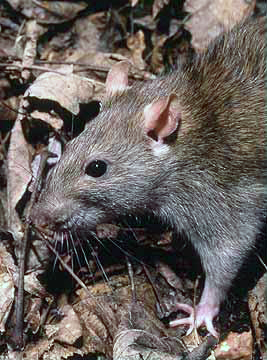
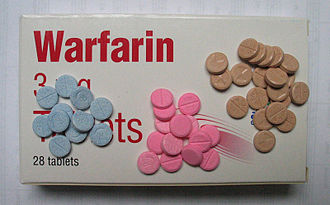
Did you know that warfarin, also known as Coumadin—that stuff that Grampa takes to prevent a stroke—was originally developed as a rat poison? It came as a surprise to me.


Kale can combat the effects of Warfarin
In high doses it can kill a human. It's a touchy drug, that doesn't get on well with lots of food. Especially green leafy foods like broccoli and kale and parsley, which diminish its effects. (Any food that's high in Vitamin K will interfere with it.)

It becomes more potent when taken with aspirin or other NSAID drugs like Advil and it's also given a boost by garlic and ginger.

The substance now called warfarin was first discovered in the
Warfarin was first discovered in spoiled sweet clover
1920s when American and Canadian cattle started dying from a mysterious bleeding disease. After some medical sleuthing, scientists discovered that the stuff causing the disease came from some fermented sweet clover in the cattle feed.

This mysterious substance prevented vitamin K from forming blood clots, so the cattle would die from minor cuts and abrasions or develop internal bleeding.

It wasn't until 1940 that scientists at the University of Wisconsin isolated the anticoagulant that caused the bleeding and gave it a name: dicoumarol.
Coumarin makes new-mown grass smell sweet


This powerful anticoagulant is produced by a fungus acting on a plant molecule called coumarin. Coumarin is the substance that makes new-mown grass smell sweet. But if the grass is allowed to ferment, rather than dry, the fungus grows and produces dicoumarol.

After World War II, researchers at the University of Wisconsin patented the substance as "Warfarin," a name derived from the acronym WARF: (Wisconsin Alumni Research Foundation) and the suffix "arin" from coumarin.

Warfarin was first registered for use as a rodenticide in the US in 1948.


Rats soon became immune to Warfarin
Apparently it was very effective in killing rodents because it's odorless and tasteless, so the rats and mice would keep coming back for more until enough Warfarin accumulated in their bodies to do them in.

In 1954, Warfarin was approved for medicinal use. But patients have to be carefully monitored to make sure the right balance of Vitamin K is preserved. It can cause skin necrosis and "purple toe syndrome" if the dose is too high. It is risky enough that pregnant women are advised not to take it.

But it stopped working as a rodenticide because rats developed immunity to it. That led scientists to produce "superwarfarins" brodifacoum, diphenadione, chlorophacinone, and bromadiolone . These superwarfarins are marketed under a number of colorfully named brands like Pestoff, Ratshot, Mouser, Havoc, and the better known D-Con. 

Superwarfarins stay in the body much longer and reduce Vitamin K more quickly, so they are much more lethal. Like warfarin, they can be absorbed through the skin, so people need to use care in handling them.

Both warfarin and superwarfarin can kill humans. The Handbook of Pesticide Toxicology reports that a 32 year old man was murdered by being given warfarin for 13 days. Since the drugs are odorless and tasteless, they are easy to administer, but the killer has to stay around for at least a couple of weeks.

In 1988, two teenaged girls tried to murder their parents using the superwarfarin D-Con. But luckily the parents went for medical help for the symptoms before they succumbed to the poison.
It's not a good idea to add warfarin to your weed.


The American Journal of Hematology reported that some wildly misguided stoners have found that if they mixed superwarfarins like D-Con with their weed, it will extend their high. When they land in the emergency room with mysterious bleeding, they often don't disclose that they've been exposed to surperwarfarins, which makes treatment difficult.

One young Einstein in Utah decided that if smoking rat poison was good, eating it would be even better. He nearly died of the bleeding disorder before he admitted he had been munching on D-Con.
You'd need a lot of these to do in nasty old Aunt Augusta


But most poisoning with warfarin and its cousins is accidental. The good news is that if a person or pet takes it by mistake, they will achieve full recovery if they get to a hospital, where large doses of Vitamin K combat the action of the drug.

To the mystery writer, warfarin and its nastier cousins might provide some interesting plots. If the wealthy, bullying matriarch everybody is hoping will die is already taking warfarin for a medical condition, a little of the colorless, tasteless rat poison in her cocoa might make for the perfect murder. Hmmm.

What about you? Have you read a mystery where warfarin is used as a weapon? Can you think of a good plot for murder by warfarin? 

Here's a list of all the posts in the poison series

Part 25: Yew
Part 26: Toxic Relationships


Enjoy the post? Take a look at some of my books!

THE LADY OF THE LAKEWOOD DINER is a comedy that pokes fun at the myth of a Golden Age, making parallels between the Grail legend and the self-mythologizing of the Baby Boomer Generation.

Someone has shot aging bad-girl rocker Morgan Le Fay and threatens to finish the job. Is it fans of her legendary dead rock-god husband, Merlin? Or is the secret buried in her childhood hometown of Avalon, Maine?

Morgan's childhood best friend Dodie, the no-nonsense owner of a dilapidated diner, may be the only one who knows the dark secret that can save Morgan's life. And both women may find that love really is better the second time around. Think Beaches meets Fried Green Tomatoes at the Whistle Stop Cafe.

The Lady of the Lakewood Diner is only $2.99 at all the AmazonsiTunesKoboNook and Books 2 Read

Friday, February 24, 2017

Poisoning People for Fun and Profit: Part 25—Yew


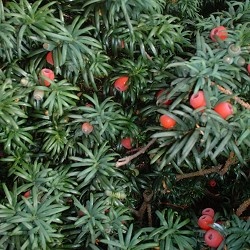
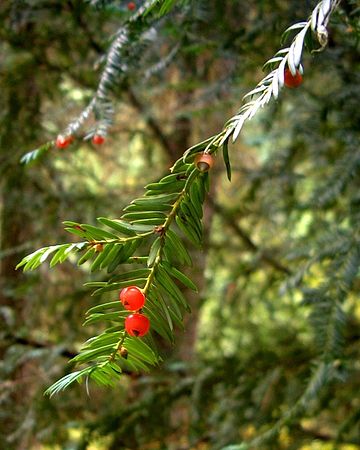
The Yew tree (Taxus baccata) is a conifer with bright red berries. It's native to Europe but was used as a shrub in a lot in landscaping in the neighborhood of suburban Connecticut where I grew up in spite of the fact it's highly poisonous.
                  
Yew berries aren't poisonous, but the rest of the plant is.

I don't remember anybody warning me that the shrubs were poisonous. Luckily the flesh of the plump red berries is not.

But almost every other part of the plant is deadly. 


Yew Poisoning


Yews can be either male or female. The male tree is highly allergenic in all its parts, and the pollen is rated a 10 on the Ogren Plant Allergy Scale of 1-10. But the female tree does not produce pollen and actually produces anti-allergens. But both genders contain poisons.


Even though the berries are harmless, the seeds inside them are highly toxic—as well as the dried needles and bark and most other parts of the plant. They all contain taxin, a complex of alkaloids which is rapidly absorbed by the body. They also have ephedrine, a cyanogenic glycoside (taxiphyllin) and a volatile oil.

If people or animals eat the berries and swallow them whole, they may be perfectly fine, but anyone who chews the seed can ingest a lethal dose with as few as three berries. 


Most parts of the plant retain their toxicity even long after the tree itself is dead.

When animals or humans are poisoned there may be no symptoms and death may follow within a few hours. When symptoms do occur, they include trembling, staggering, coldness, weak pulse and collapse.


Longevity


Yew trees can live for five hundred years or more. Ten yews in Britain are said to be as much as 1000 years old. One, the Fortingall Yew in Scotland, may be from 2000 to 5000 years old. 


In 2015, scientists discovered The Fortingall Yew is changing its gender from male to female after all these millennia. Who knew that trees could be trans? 

The Fortingall Yew in Scotland

But measuring their exact age of a yew is problematic, because the boughs often become hollow as they age, which makes ring counts impossible. 


Usefulness


Yew wood is classified as a "soft" wood, but is harder than other softwoods and is very elastic, so it has many uses.

Yew was highly prized for making longbows.

Yew was so highly prized as material for longbows in the middle ages that yews became an endangered species, and Richard III ordered that every ship bringing goods into England had to supply ten bowstaves for every ton of cargo.

Medieval luthiers also considered yew the wood of choice for lutes and other stringed instruments.

I can't find any mention of medieval luthiers or bow makers protecting themselves from the wood, but modern wood turners are warned to take precautions. Woodworkers have been hospitalized after inhaling dust from yew wood.

People are also advised not to make cutting boards or other food serving utensils out of yew. I couldn't find any documented cases of death by yew wood cutting board, but it could be an interesting plot point in a mystery novel.


Mythology and History


The yew is interwoven with the history of early Europe and is surrounded by rich mythology. The tree was sacred to many cultures.

One of the world's oldest surviving wooden artifacts is a yew spear head, found in 1911 at Clacton-on-Sea, in the UK. It's estimated to be 450,000 years old.
Yews are often found in churchyards


Julius Caesar tells of the chief of the Celtic tribe Eburones who poisoned himself with yew rather than submit to Rome.

The yew was sacred to the pre-Christian Celts, and reverence for them has survived in England, Scotland, Wales, Ireland, Normandy and Wales, where yews are often found in churchyards. Their longevity and deadly nature probably contributed to their myth as trees of power and magic.

In traditional Germanic paganism, Yggdrasill—the tree of life—may have been a yew tree rather than the ash as more recent tradition would have it. Most scholars now think the tree was most likely a yew. This comes from a confusion of the words for yew and ash in Old Norse. Yggdrasill is described as "evergreen" but the European ash is deciduous.

Also, the yew releases a mildly toxic gas (taxine) on hot days that can cause hallucinations.


This might relate to the story of the Germanic god Odin, who had a revelation (the wisdom of the runes) after hanging from a branch of Yggdrasill for nine days. This myth is thought to be related to the Tarot card The Hanged Man, which shows a serene man hanging upside down from the branch of a tree. 


Medicinal Uses


Like many poisons, the yew has always been prized for its healing as well as deadly
The Pacific Yew
properties. Even in modern times.


In the 1960s, the bark of the Pacific yew (Taxus brevifolia) was discovered to contain anti-cancer agents. Environmentalists feared the tree would become endangered by medicinal harvesting until a synthetic version, taxol, was invented in the early 1990s.

What about you? Did you know the yew is deadly poison? Have you ever read a mystery where yew is used as a murder weapon? 


Here's a list of all the posts in the poison series


BOOK OF THE WEEK

No Place Like Home: Camilla Randall Comedy-Mystery #4
(But it can be read as a stand-alone)

SALE! 99c on All the Amazons


Until the end of February, 2017

Wealthy Doria Windsor is suddenly homeless and accused of a murder she didn't commit. But Camilla, with the help of a brave trio of homeless people, the adorable Mr. X, and a little dog named Toto, is determined to unmask the real killer and discover the dark secrets of Doria’s deceased “financial wizard” husband before Doria is killed herself.


"A warp-speed, lighthearted comedy-mystery"...Abigail Padgett
"A fun, charming novel about the rich and less so" ...Karen Doering
"A cross of dry British humor and American wackiness, and it all adds up to a fun read." ...Deborah Bayles.

"It's comedy about a dark topic – homelessness – and it succeeds without ever descending into tasteless insensitivity, or tipping over into sentimentality."...Lucinda Elliot

Available at all the Amazons and NOOK Page FoundryKobo and iTunes It's also available in paperback from Amazon USAmazon UK, and Barnes and Noble, in regular and LARGE PRINT. LARGE PRINT is also available at Barnes and Noble.


And NO PLACE LIKE HOME IS ALSO  AN AUDIOBOOK!!

Narrated by award-winner C. S. Perryess and Anne R. Allen (as Camilla)
Nearly 8 hours of hilarious entertainment!Only $1.99 if you buy the Kindle ebook

Friday, November 25, 2016

Poisoning People for Fun and Profit—Part 23: My Past Life as a Poisoner


This poison series was sparked by my research for my WIP, The Queen of Staves, #6 in the Camilla Randall humorous mystery series, which will debut in June 2017.

     
Lucrezia Borgia
Yes, it was originally scheduled for last June and it's way overdue to my publisher. I'm making progress, but it's slow. I have a terrible habit of taking on new challenges, like learning about the Tarot. And poisons.

Research about poisons led to starting this series. Then I let myself get led astray by all these fascinating ways to get away with murder.

I've been intrigued by poisons ever since I had a bizarre experience under hypnosis twenty-five years ago when I was quitting smoking.

I went through a series of hypnosis sessions, and one involved going back in my memory to recall the first time I ever wanted a cigarette.

But the hypnotist's time machine apparently had a major glitch.

I didn't go back to that time at Girl Scout camp when three of us shared a Parliament pilfered from a camp counsellor's locker and I almost didn't throw up.

Or further back to when my kindergarten friends and I bought a pack of candy cigarettes at the corner market and came home to play dress-up in somebody's mom's old formals and high heels so we could pretend to be grown-up ladies. All the grown-up ladies we knew smoked cigarettes.

The Palazzo Farnese in Rome
No. I somehow I zoomed all the way back to the 15th century. So it wasn't exactly a memory, unless you believe in past lives. Which I didn't, until that moment.

Seriously. I'm not making this up.

The hypnotherapist asked me what I was wearing and I could feel a horrible corset thing constricting my torso and lots of stiff clothing weighing me down. My hair hurt with heavy jewelry and netting.

I was in a smallish room in an Italian palace.

Now I know my Italian palaces because I majored in Art History. Mostly so I could spend a lot of time in Italy looking at all those palaces that used to belong to families like the Borghese, Farnese, Barberini and of course, the infamous Borgias.

And there I was in my hypnotic state, standing in one of those palazzi.

But I wasn't enjoying myself in spite of the gorgeous setting. 
I felt cold. And anxious. Footsteps echoed in the hallway outside. I was awaiting the arrival of a man. My fiancé. He was returning from some battle and I was going to get hurt. So were a lot of other people. 

The man and I were enemies and my side had lost.

He stomped into the room—tall and handsome, with fierce, dark eyes and a thick beard. I gave him a big kiss and offered him some wine from a silver carafe. 

Alfonzo D'Este, Lucrezia's Husband #3

He drank and said something cruel and insulting, then drank some more. He kissed me again. I let him. Then I watched as he sat heavily on a brocade chair. 


I gave him more wine and started to feel less afraid.

I pretended to be worried as his face went pale and he grabbed his throat, which made a choking, gurgling sound.

He called for help, but his voice was weak. I pretended not to understand and started to smile as he tried to get up, but couldn't. My sense of relief was overwhelming.

I realized I was witnessing the last battle of whatever conflict raged between his people and mine.


And I was just about to win the war. 

I laughed while I watched the fury in his eyes turn to fear as life drained from his body.

The therapist brought me out of my trance. She looked distressed.

She said she'd just heard me give the most evil laugh she'd ever heard. The voice she'd heard laughing sounded nothing like mine.

I had no idea I'd been laughing out loud. 


She said nothing like it had ever happened in a hypnosis session and she'd been conducting them for twenty years.

There are people who would say I'd experienced a past-life regression. And that maybe I was somebody like Lucrezia Borgia in that past life.

But, as I said, I'm not sure I believe in past lives. And I certainly don't believe we were all famous people like Cleopatra and Ms. Borgia the way those past-life regression stories always go.

Besides, nobody knows that Lucrezia actually poisoned anybody. It's true that her daddy Pope Alexander VI was known for using poison to get what he wanted, which was pretty much everything in Southern Europe. 


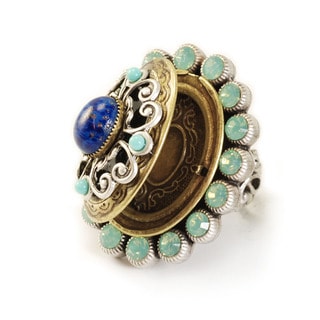
Lucrezia was rumored to wear a poison ring, with a hollow space under the stone just right for a dose of the Borgias' favorite poison, arsenic. The symptoms I saw in my hypnotic vision would have been consistent with arsenic poisoning.
Replica of a Renaissance poison ring


But poison rings were probably something of a fashion statement in Renaissance Italy, so we can't be sure. (They were actually designed to hold holy relics which were thought to protect the wearer from evil spirits.)

Many women of Lucrezia's station were known to use poison to get rid of the occasional inconvenient rival or unpleasant spouse. In Italy it was a tradition going back to ancient Rome, when poisonings were rampant. Women passed down poison lore from mother to daughter, and it gave them great power.

At that one moment in my trance, I felt that power. I have to admit it was exhilarating. I don't know when I have ever felt so powerful, before or since.

I have no idea what exactly I experienced. It wasn't as wildly surreal as a dream, but it was far more vivid, say, than envisioning a scene when I'm writing, even when I'm deep in "flow".

There was no control. I could only watch and hang on as I felt the emotions of this person—this psychopath, I suppose you'd call her—who certainly wasn't me. 

It was a little like being an actor achieving that moment when you totally inhabit your role and lose your sense of self.

Only I'd never read the script and had no idea what the character would say or do next. The actor's nightmare in reverse.

A week later, I quit smoking.

Do I have Lucrezia Borgia to thank for the fact I finally stopped poisoning myself with nicotine? I don't suppose I'll ever know.

What about you, readers? Have you ever had a "past life" experience? Do you think you could poison someone if the situation were dire enough? Do you think poisoning an enemy is more evil than shedding blood if you are mismatched as physical opponents?  


 99C SALE!  SHERWOOD, LTD: Camilla Mystery #2


Suddenly-homeless American manners expert Camilla Randall becomes a 21st century Maid Marian—living rough near the real Sherwood Forest with a band of outlaw English erotica publishers—led by a charming, self-styled Robin Hood who unfortunately may intend to poison her. 


Sherwood, Ltd. is only 99c in ebook from all the Amazons


It's also available on iTunesGooglePlay ScribdInkteraKobo, Nook, and Smashwords

And it's  $11.99 in paper from Amazon and Barnes and Noble

Sample Reviews:


"A wily tale of murder, deceit, and intrigue that can stand with the best of them. Her characters are all too real and her dialogue took me from laughter to chills" David Keith on Smashwords


"Smartly written and nearly impossible to put down, I found myself counting the hours until I could leave work and get back to reading! Well done!" T.L. Ingham on Smashwords


"An intriguing and fast paced novel that demands you read on to the next page and beyond. The characters are well constructed and believable and I enjoyed the difference between the USA and UK people. The plight of our heroine is complex and well -managed and in the beginning I was striving for her to find some genuine help and support. The flip over to the UK added more spice! Highly recommended."—David L. Atkinson, author of The 51st State.


Here's a list of all the posts in the poison series


Friday, September 30, 2016

Poisoning People for Fun and Profit—Part 21: Henbane


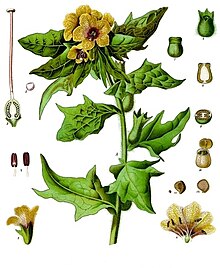
Henbane (Hyoscyamus niger) doesn't sound terribly dangerous, does it it? It might be something that would irritate a chicken, but nothing too scary.

But the truth is it's a deadly poisonous plant in the nightshade family (solanaceae.) Smelling it can cause dizziness—and eating it can result in delirium, coma, respiratory paralysis, and death.

Unfortunately others have made the mistake of thinking henbane is harmless, too. In 2008, the British celebrity chef Antony Worrall Thompson recommended henbane as a "tasty addition to salads" in the UK's Healthy and Organic Living magazine.


Fat Hen, not, Henbane
It turned out he'd confused henbane with fat-hen, (Chenopodium album) a nutritious food, usually treated as a weed, that's related to quinoa.  

The magazine sent subscribers an urgent message telling them that eating henbane is a really bad idea. Nobody died as a result that they know of, but it was a scary moment for all concerned.


Henbane, Hens, and other Farm Animals


But it turns out henbane has nothing to do with poultry. The word first appeared in England in 13th century and probably has Germanic roots.  The prefix "hen" probably meant "death." The word may have been a corruption of a Dutch word "henneblomen" meaning "death flowers."

Death Flowers?

The Greek name Hyoscyamus means "pig beans" from húos, "pig" and kúamos, "bean." This may have been because hogs enjoy eating henbane seedpods. One of the many weird things about henbane is that it is not toxic to pigs, but it will kill most other livestock as well as birds, fish, and people.

Some say henbane was the "hebenon" of Shakespeare—the potion poured into the ear of Hamlet's father to kill him while he slept.


Medicinal and Ritual uses of Henbane


Henbane has a long and rich history in folklore because of its painkilling and hallucinogenic properties. Along with mandrake, deadly nightshade, and Datura it was used for millennia as an anesthetic in traditional medicine in Europe and Asia.

It also played a part in rituals because of its hallucinogenic properties. The oracle of Apollo in ancient Greece took henbane and Pliny the Elder talked of henbane being "of the nature of wine" in achieving a buzz.

It was also used in Germany until the 16th century to give some of their beers a more than usual kick.


The Anglo-Saxons thought henbane was especially useful for treating toothache. This was because the seedpods of henbane are shaped like a jawbone.

Anglo-Saxons thought henbane good for toothache

This is an example of "sympathetic magic," which can still get confused with sound medical research today. This is the way the sugar industry did such a great job of convincing us all that
eating fat would make us fat

Henbane was considered something of a cure-all in the middle Ages. Besides its use as a pain killer, it was said to be good for asthma, cough, nervous diseases, and upset stomach.

Today it can still be obtained by prescription in some places. It's used in massage oils, and a bandage containing a small dose of henbane oil, put behind the ear, is supposed to cure sea-sickness. I think I'd rather take my chances with Dramamine.

Did Dr. Crippen Murder His Wife with Henbane?


In 1910 London, Dr. Hawley Harvey Crippen was executed for murdering his wife with henbanethen carving up her body, burying it under his house and attempting to run off to Canada with his lover Ethel Le Neve. The two were apprehended just as they were embarking on their ship by a new-fangled wireless communication device invented by one Mr. Marconi.
Dr, Hawley Harvey Crippen

The case was the super-trial of the era. The mild-mannered homeopathic doctor insisted that his wife Cora, a flirtatious music hall performer with the stage name Belle Elmore, had run off with another man and that the body under the Crippen house was not hers. 

But the fact he possessed henbane seemed enough to convict him. Many thought he was innocent, and had been tried and convicted in the press.

Recently, forensic scientists have examined the evidence anew, because it seemed so odd to them that a poisoner would dismember a body. The point of poisoning is generally to make death appear an accident. 

It turns out they were right about Dr. Crippin's innocence. Not only was the body found under the house not poisoned with henbaneit wasn't even a woman.

Dr. Crippin's descendants have petitioned the British government to pardon the doctor and clear his name.


Endangered Species

You can find henbane at the poison garden at Alnwick Castle

If you're writing a contemporary mystery your villain would have trouble getting hold of henbane. It's not something you can go out and pick in the wild. Although it once grew all over Europe and Asia, henbane is now an endangered species. But you can see it in the famous poison garden at Alnwick in the UK.

What about you, readers? Have you run into any stories about henbane? Have any good ones to share? Do you have any opinions on Dr. Crippin's guilt or innocence?


THE GATSBY GAME 
on sale for 99c at Amazon

"In The Gatsby Game, Anne R. Allen blends a perfect combination of witty, sharp narration, a plot that won't let the reader go, and nuanced characters that evoke our caring. A genre novel that artfully transcends its genre.”- Catherine Ryan Hyde, NYT and Amazon #1 best-selling author


THE GATSBY GAME (Romantic Comedy-Mystery) When Fitzgerald-quoting con man Alistair Milborne is found dead a movie star’s motel room—igniting a world-wide scandal—the small-town police can’t decide if it’s an accident, suicide, or foul play. 

As evidence of murder emerges, Nicky Conway, the smart-mouth nanny, becomes the prime suspect. She’s the only one who knows what happened. But she also knows nobody will ever believe her. The story is based on the real mystery surrounding the death of David Whiting, actress Sarah Miles’ business manager, during the filming of the 1973 Burt Reynolds movie The Man Who Loved Cat Dancing.

The Gatsby Game is available in ebook at all the Amazons, and also at the regular price at Barnes and Noble for NOOK. It's available at Scribd.

And available in paper on Amazon, and Barnes and Noble